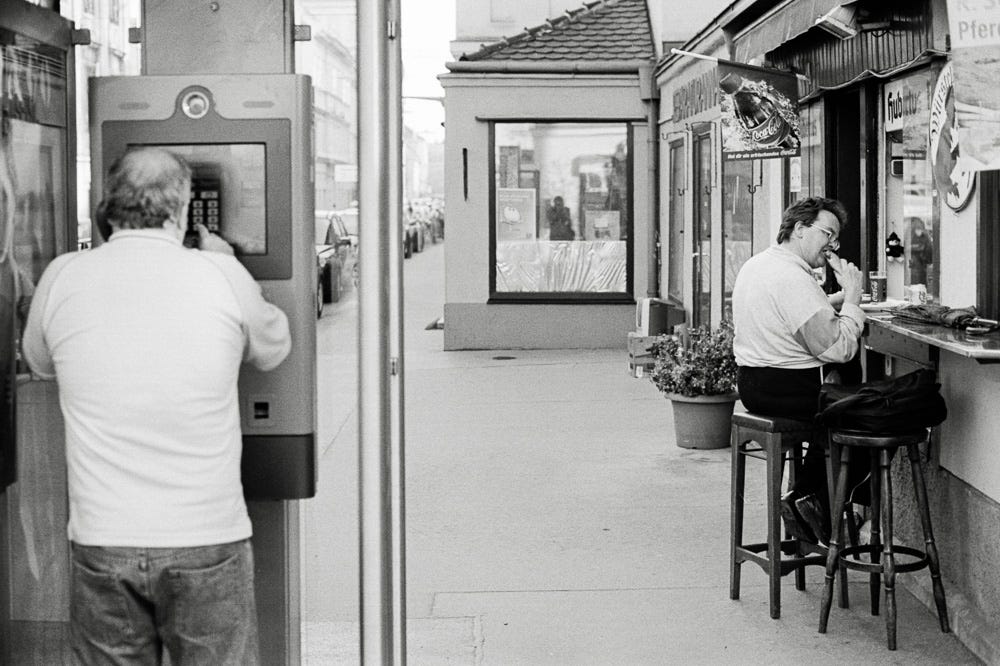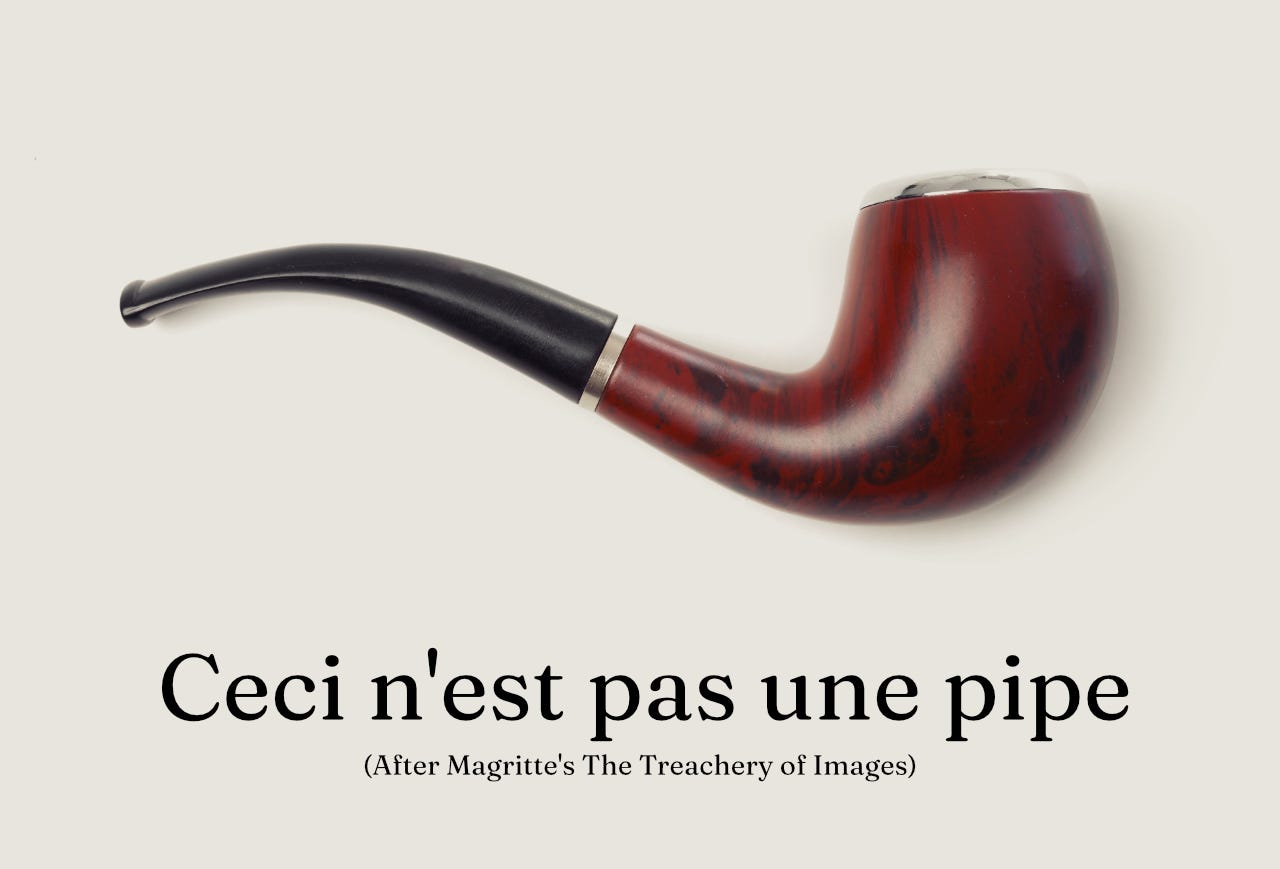
Every person in this project is real. The same cannot be said for every caption.
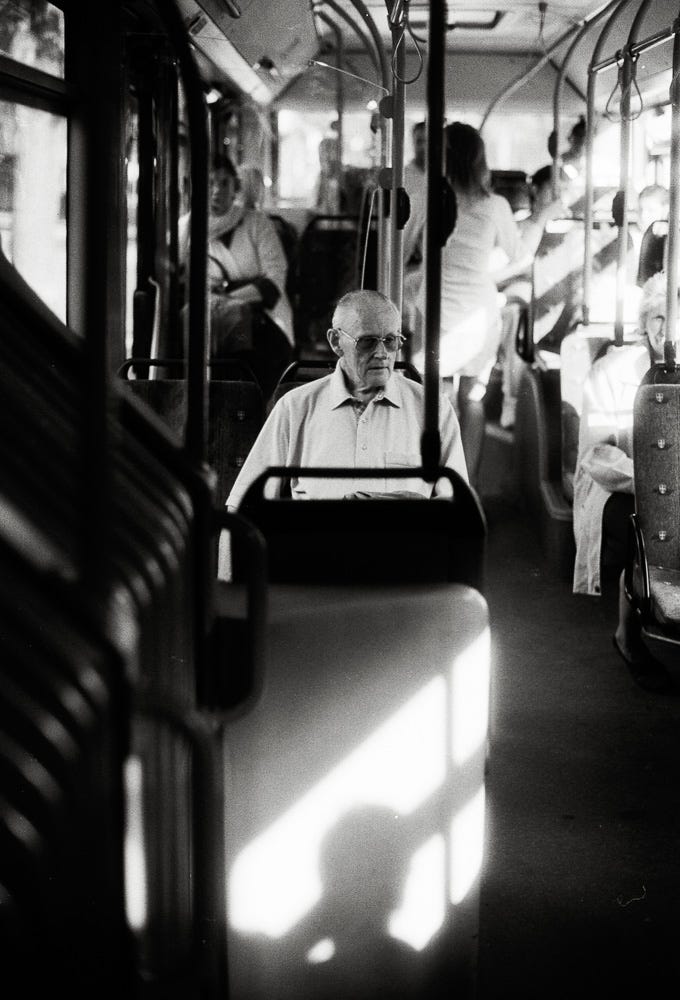
I photograph strangers. On the street, in transit, through glass. Then, I give each one a name they never asked for and a single, deadpan sentence about the life happening just outside the frame. The image shows what was. The text supplies what wasn’t.
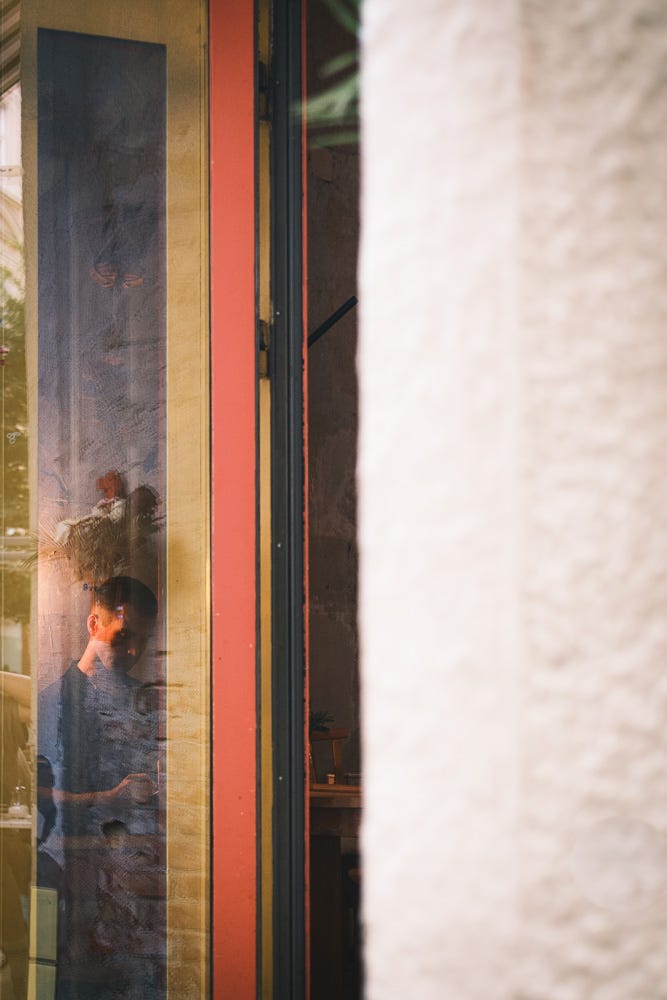
Whatever truth exists in this book lives somewhere in the distance between the two.
One rule came quite early: the captions can never describe what the photo already shows. Instead, they explore domains the camera couldn't reach: what they had for lunch, the text they keep meaning to send, the cringe-inducing memory from two years ago that keeps flashing into their head.
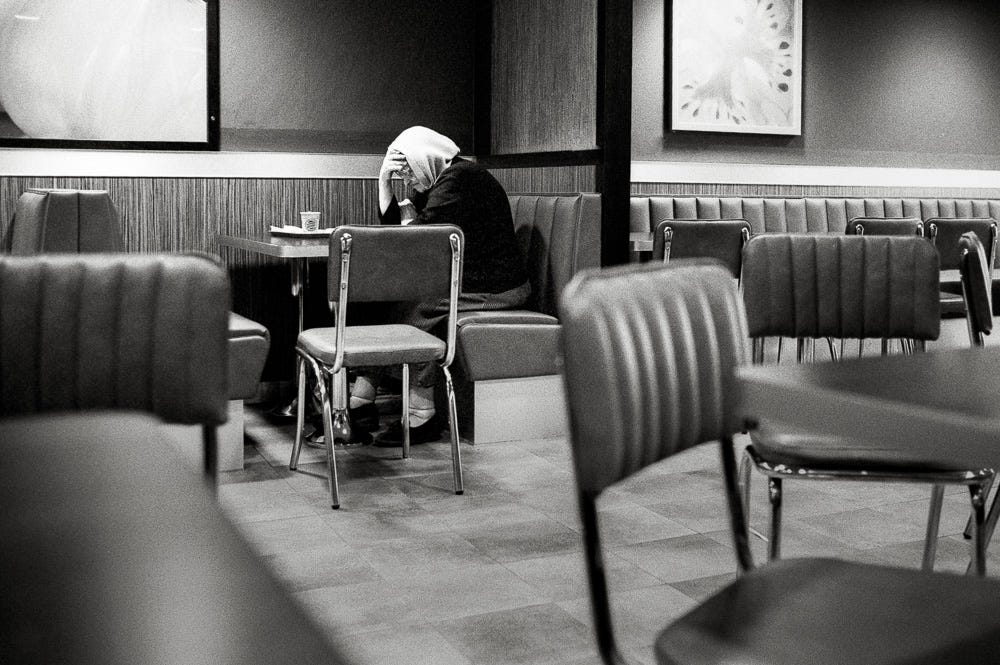
The narrator admits, openly, that he's making things up.
That admission is probably the only part you can fully trust.
The project even hints at it in its own title, Observed But Not Really, and states it outright on the second page. I think that's exactly the right amount of conceptual work. It tells you the rules, and then gets out of the way.
Observed But Not Really is a book of photographs and a book of captions, and both are just ink on paper. The pretense that a photograph is a document of truth is yet another lie. The photograph is real, but real and true aren't the same thing, and neither one is the truth. I am not to be trusted and the tagline warns you accordingly:
candid moments, reconstructed.
unreliable at best,
highly improbable at worst.
If you assume the person in a photograph is profoundly sad just because I happened to capture an unfortunate fraction of a second of their day, I want to question that assumption. Maybe they are sad. Maybe they are quietly rehearsing a role. I don't know, and there’s no need for clarification. I'm subverting the assumption the picture just made. That sad expression was most probably just a fleeting moment in time, not a state of emergency.
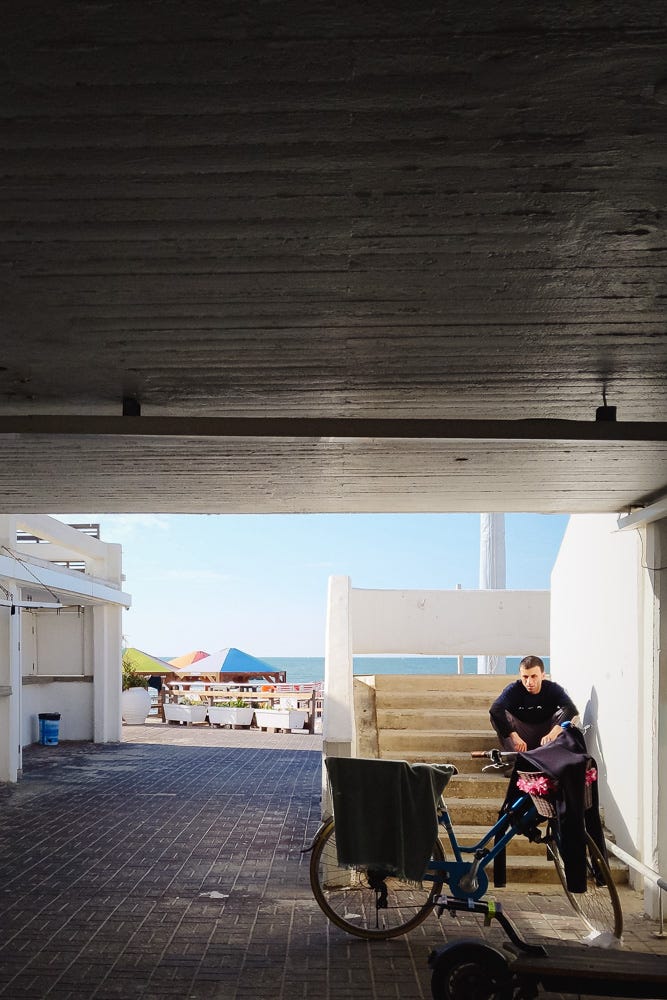
Some things in this book are designed, some are mistakes, and I've made it impossible to know which. But a caption never dictates what to feel. Emotions manifest before you notice there's a caption at all. Your story is made the moment your eyes finish scanning the frame. The caption arrives a beat later, sitting next to your assumptions to offer an alternate reality. Not replacing it, challenging it. The project lives in that gap between what's in your head and how someone, miles away, decided to make the image more interesting.
A few moments in this book are real, almost all of them a fabrication, some clearer than others, and at this point, I don’t even know anymore which is which, and neither does the narrator. But that is not the point. It’s the design.
The shape of it
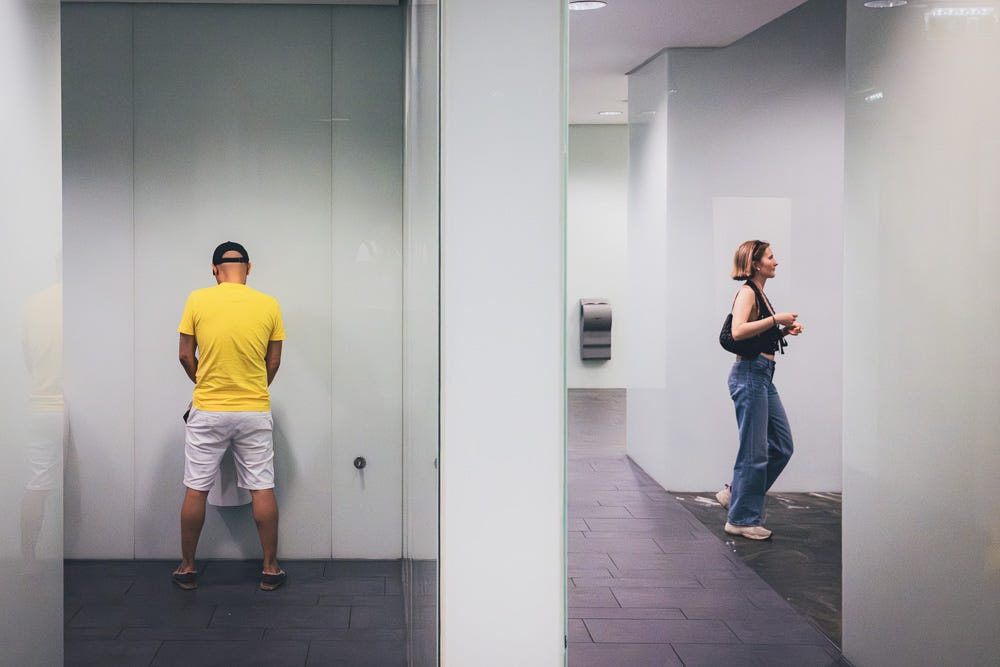
The work moves through time. Some frames are shot on black-and-white film and developed in a darkroom; others are flat, colorful phone snaps. There’s a deliberate break in the middle, a silence I won’t map out for you, because finding it is part of reading it. But the same themes run through it all: the distance between what you see and what you can’t, two people in the same frame who never quite meet, and the invented story as the only bridge between them.
Some of this might be too clever for its own good, some of it might be too flat. I’m still figuring out which parts actually earn their place, and I suspect I will be for a while.
Because the book isn't exactly a book yet. It isn't finished; it's a living draft, a few new characters arriving at irregular intervals at: